12 Essential Strategies for Responding to Dementia Hallucinations
The Alzheimer's Society reports "visual hallucinations are usually caused by damage to the brain. They are more common in people with dementia with Lewy bodies and Parkinson’s disease dementia. People with Alzheimer’s disease can also have hallucinations."
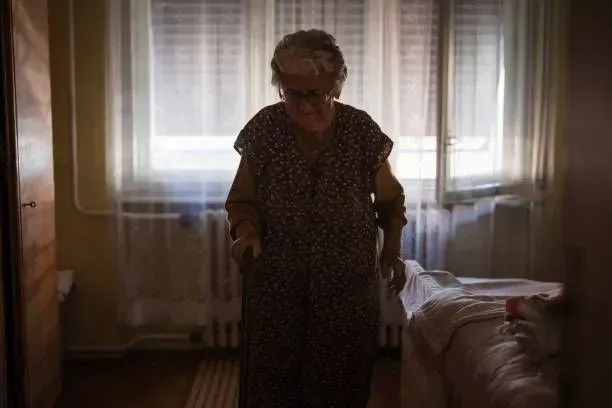
Caring for seniors with dementia presents unique challenges, particularly when it comes to managing hallucinations. Dementia hallucinations are complex and often distressing experiences that individuals living with dementia may encounter. These hallucinations involve perceiving things that are not present in the external environment, such as seeing people, animals, or objects that others do not see. They can also extend to auditory or tactile hallucinations, where individuals might hear non-existent sounds or feel sensations that are not real. Dementia hallucinations are a result of changes in the brain that affect perception, processing of sensory information, and the interpretation of reality. It's important to recognize that these hallucinations are genuine experiences for those affected, and they can vary widely in content and intensity. Caregivers and healthcare professionals must approach individuals experiencing dementia hallucinations with empathy, understanding, and a commitment to creating a supportive environment that minimizes distress and fosters a sense of security for the individuals grappling with these challenging manifestations of cognitive decline.
At 7 Day Home Care, we specialize in providing compassionate Alzheimer’s and dementia home care services across Queens, Manhattan, Brooklyn, Nassau County, and Suffolk County, New York. In this article, we'll explore 12 effective ways to respond to dementia hallucinations, fostering an environment of understanding and support.
- Remain Calm and Collected: When faced with dementia hallucinations, it's crucial for caregivers to maintain a calm demeanor. Approaching the situation with composure helps to alleviate stress for both the senior and the caregiver.
- Avoid Correcting Perceptions: Instead of correcting the senior's perception during a hallucination, acknowledge their reality. Correcting them may lead to frustration and confusion. Validate their emotions and experiences.
- Provide Reassurance: Offer words of reassurance to comfort the senior during hallucinations. Phrases such as "I'm here with you" or "You are safe" can provide a sense of security.
- Engage in Distraction Techniques: Gently redirect the senior's attention to a different activity or topic. Distraction techniques can be effective in steering away from distressing hallucinations.
- Establish a Routine: Creating and maintaining a consistent daily routine helps seniors feel secure. Predictability in activities, meals, and sleep patterns can reduce the occurrence of hallucinations.
- Create a Calming Environment: Ensure the surroundings are calming and conducive to relaxation. Soft lighting, familiar objects, and soothing sounds can contribute to a peaceful atmosphere.
- Encourage Self-Expression: Allow the senior to express their thoughts and feelings freely. Creating an open space for communication fosters a sense of trust and emotional well-being.
- Use Simple and Clear Communication: When communicating with seniors experiencing hallucinations, use simple and clear language. Avoid complex sentences or concepts that may contribute to confusion.
- Stay Patient and Listen Actively: Patience is key. Listen actively to the senior's concerns, and avoid rushing or interrupting. Show genuine interest in their experiences.
- Involve Them in Familiar Activities: Engage the senior in activities they enjoy and are familiar with. This not only provides comfort but also helps to redirect their focus away from hallucinations.
- Consult with Healthcare Professionals: Seek guidance from healthcare professionals specializing in dementia care. Professionals can offer tailored interventions or suggest appropriate medications to manage hallucinations.
- Explore Specialized Dementia Home Care Services: Consider the specialized Alzheimer’s and dementia home care services provided by 7 Day Home Care. Our highly trained and experienced Home Health Aides understand the unique needs of seniors with cognitive challenges, offering personalized care in Queens, Manhattan, Brooklyn, Nassau County, and Suffolk County, New York.
Navigating dementia hallucinations demands a compassionate and nuanced approach, and at 7 Day Home Care, we recognize the significance of providing specialized Alzheimer’s and dementia home care services. These 12 essential strategies for responding to dementia hallucinations aim to foster understanding, create a calming environment, and promote emotional well-being for seniors in Queens, Manhattan, Brooklyn, Nassau County, and Suffolk County, New York. By embracing these strategies, caregivers can play a pivotal role in enhancing the quality of life for individuals facing the challenges of dementia. At 7 Day Home Care, we remain dedicated to delivering personalized and empathetic care, ensuring that seniors and their families receive the support they need during these complex and sensitive moments on their journey with dementia.
Brian Callahan
7 Day Home Care