Reducing Hospital Readmission Through Outstanding In-Home Care
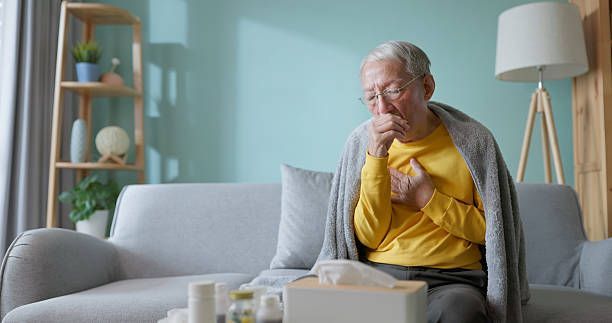
Johns Hopkins reports "patients are most at risk to return to the hospital immediately following discharge. Often new medication routines or lifestyle changes after being sent home can increase the chance of returning to the hospital. Access to community resources and family support can impact the chances that a patient returns to the hospital.

Reducing hospital readmission through in-home care has emerged as an essential strategy to significantly improve patient outcomes, lower healthcare costs, and enhance the overall quality of care. The approach involves providing comprehensive and specialized care and support services to patients within the comfort of their homes, thereby reducing the likelihood of rehospitalization.
Hospital readmissions are when a patient is readmitted to the hospital within a certain period of time, typically 30 days, after being discharged. Rehospitalizations can be costly and disruptive for patients, and they can also increase the risk of complications and death.
Risks from Hospital Readmission
There are a number of risks associated with hospital readmission, including:
- Increased risk of complications and death
- Increased risk of infection
- Increased risk of medication errors
- Decreased quality of life and mental health
- Increased financial burden
Statistics on Hospital Readmission
According to the Agency for Healthcare Research and Quality (AHRQ), approximately one in five Medicare patients are readmitted to the hospital within 30 days of discharge. Some of the most common reasons for readmission include heart failure, pneumonia, infection, and chronic obstructive pulmonary disease (COPD).
Reducing Hospital Readmission
There are a number of things that can be done to reduce hospital readmission, including:
- Identifying patients who are at high risk of readmission. This can be done by looking at factors such as the patient's age, medical history, and social support system.
- Developing a personalized care plan for each patient. The care plan should be based on the patient's individual needs and goals.
- Coordinating care with the patient's other healthcare providers. This includes the patient's primary care physician, hospitalists, and specialists.
- Providing patients with education and support. This includes teaching patients about their condition, how to manage their medications, and what to do if they experience problems.
- Monitoring patients closely and following up with them regularly.This can be done through in-person visits, phone calls, and telemedicine.
Home care can play an important role in reducing hospital readmission. 7 Day Home Care with offices in Manhattan and Lake Success - Long Island, New York can help patients to recover in their own homes and reduce their risk of rehospitalization by helping patients with activities of daily living. Activities of Daily Living (ADLs) are essential for maintaining one's independence and overall well-being. When these activities are compromised due to health issues or other factors, it can significantly impact an individual's ability to function independently and may increase the risk of hospital readmission. Here's how maintaining and supporting ADLs can contribute to reducing the risks of hospital readmission:
- Nutrition and Eating: Adequate nutrition is vital for maintaining overall health and preventing the development or exacerbation of various medical conditions. Ensuring that individuals can independently manage their nutrition and eating habits can reduce the risk of malnutrition and related complications, thereby minimizing the need for hospital readmission.
- Hygiene and Bathing: Proper hygiene practices help prevent infections and skin issues. By supporting individuals in maintaining their hygiene and bathing routines, caregivers can prevent the development of infections and other health issues that could necessitate hospitalization.
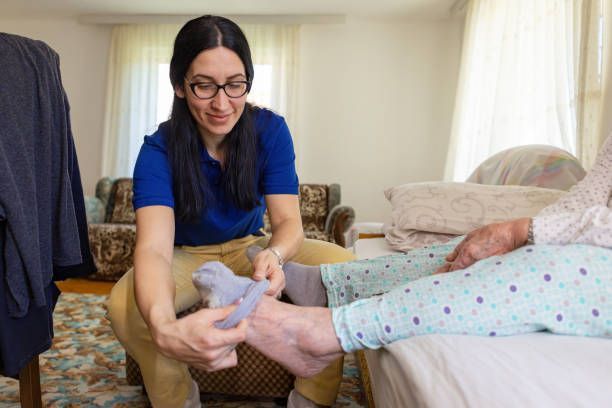
- Dressing: The ability to dress independently contributes to a sense of self-worth and autonomy. Support in this area helps prevent falls and injuries that could result from attempting to dress without proper assistance, thereby reducing the risk of hospitalization due to fall-related injuries.
- Toileting and Continence Management: Assisting individuals in maintaining continence and managing toileting needs helps prevent urinary tract infections, skin breakdown, and related complications. This reduces the likelihood of hospital readmission for conditions stemming from poor continence management.
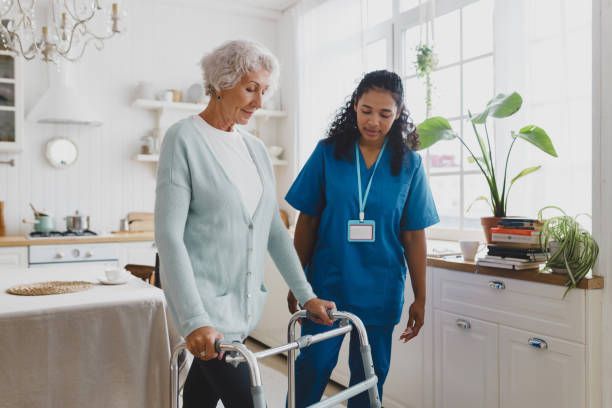
- Mobility and Transferring: Ensuring that individuals can safely transfer and move around independently helps prevent falls and injuries. Supporting mobility can reduce the risk of fractures and other injuries, which are common reasons for hospital readmissions, particularly among the elderly population.
- Self-Care and Medication Reminders: Facilitating independent medication reminders and self-care tasks can help individuals adhere to their treatment plans and reduce the risk of medication errors or non-compliance. Proper medication adherence and self-care can prevent exacerbations of chronic conditions, reducing the need for hospitalization.
Supporting individuals in performing these ADLs often involves a combination of caregiving, assistive devices, and environmental modifications to ensure their safety and well-being at home. By promoting independence in ADLs, caregivers and healthcare professionals can improve individuals' overall quality of life, reduce the risk of complications, and minimize the likelihood of hospital readmission. Additionally, regular monitoring of ADL performance can provide insights into an individual's health status, enabling early detection of potential issues and timely interventions to prevent the need for hospitalization. 7 Day Home Care provides comprehensive Home Health Aide service in Manhattan, Queens, Brooklyn, Nassau County, and Suffolk County, New York. Contact 7 Day Home Care today at 516-408-0034 to learn more about our home caregiving services offered throughout the New York City metropolitan area.
Brian Callahan
7 Day Home Care