How to Choose Between Home Care and Assisted Living

Brian Callahan • March 28, 2024

When a parent, spouse, or loved one develops extensive care needs, you may find yourself weighing out the different options. In-home care and assisted living are the two main options for intensive care needs. According to the American Health Care Association, there are 800,000 Americans residing in assisted living facilities today. There are a few important factors to consider as you determine which is best for your loved one. Keep reading to learn more.


How Much Care Is Needed?


The first thing to consider will be the amount of care that’s going to be needed. Your loved one’s physician and specialists should be able to help advise you on this point. Evaluating the care needs can help you realistically determine how much assistance can be given by those already living in the home or how much outside care would need to be recruited. Making a list of everything the individual needs on a daily, weekly, and monthly basis is a good place to start. You can then systematically evaluate how each need can be met and what the best method of meeting that need is.


What Are the Key Differences Between In-Home Care and Assisted Living?


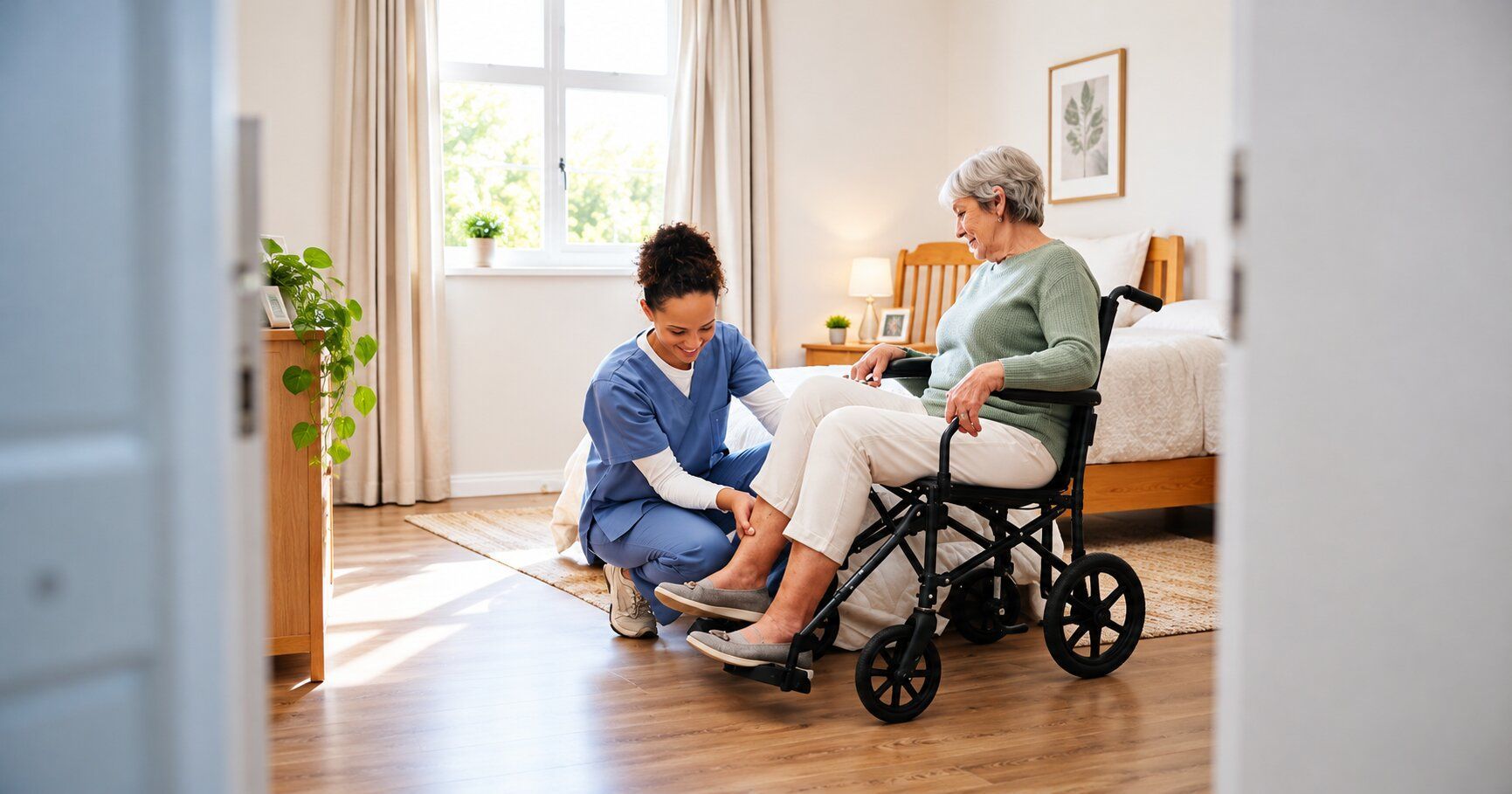
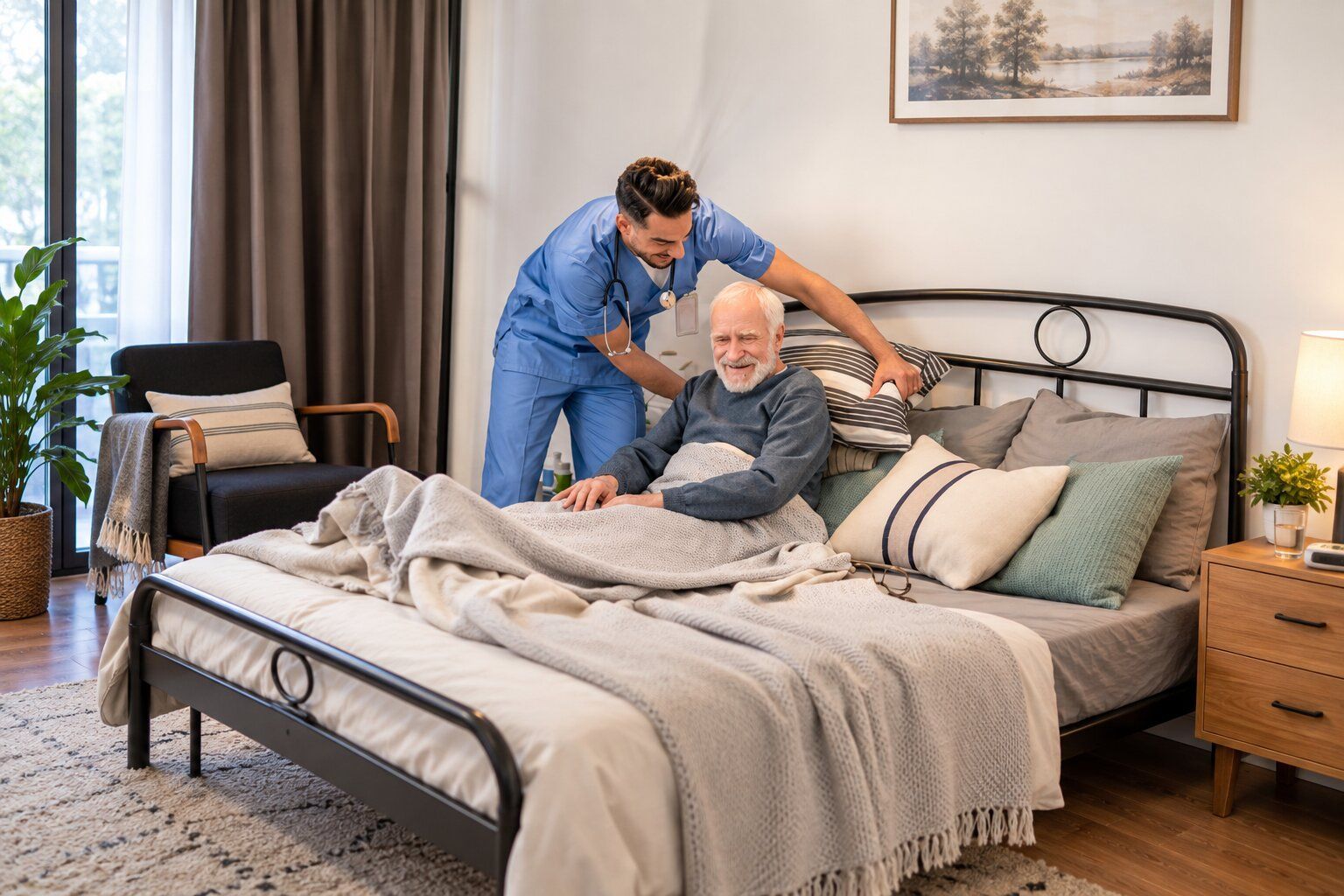
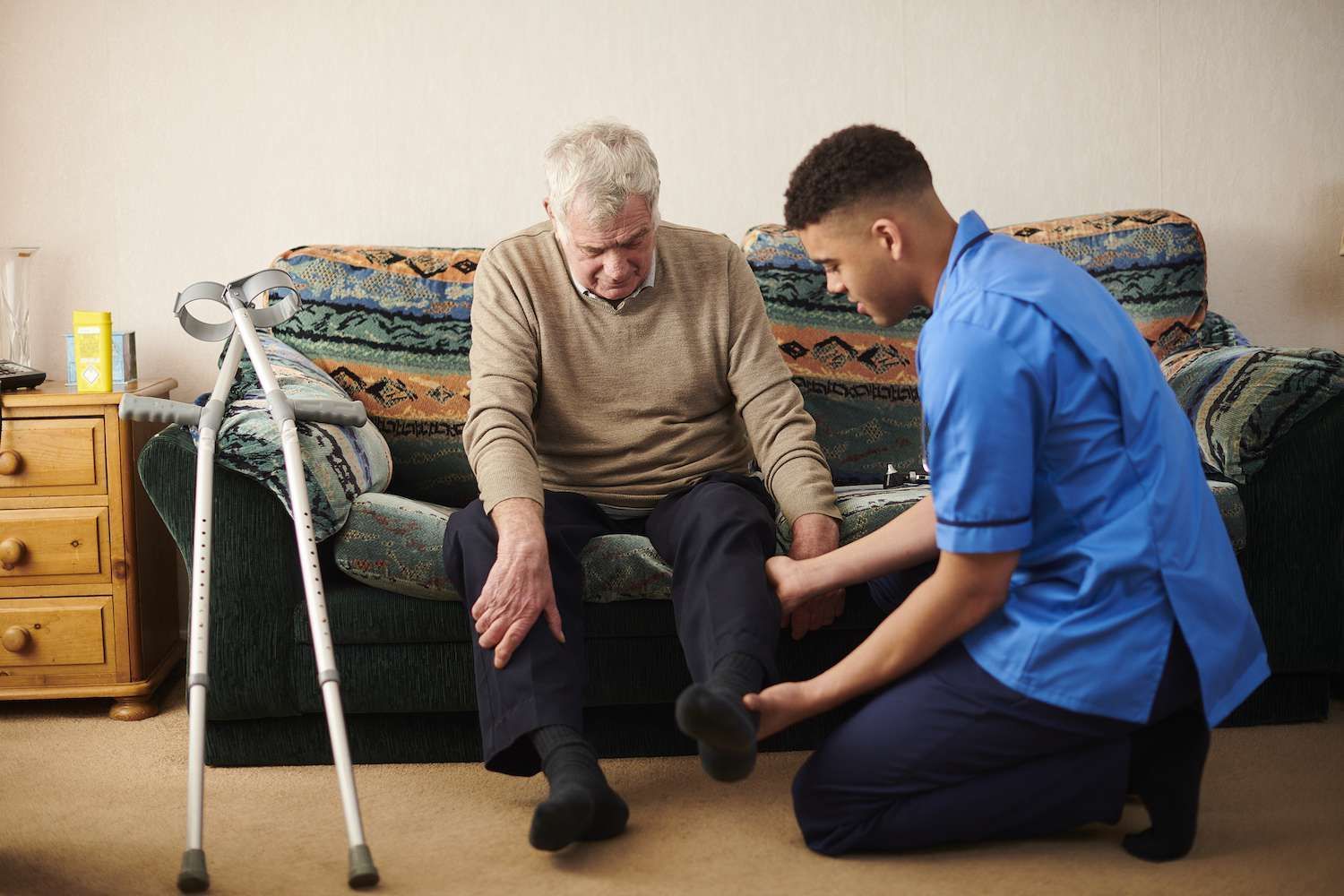
It’s also important to fully understand the differences between these two types of care. In-home care usually consists of a professional care assistant coming into the home on a daily or weekly basis to provide certain care tasks. In-home care is often an option if the individual doesn’t need 24/7 medical monitoring. Some families opt for 24/7 in-home care if finances allow, regardless of the intensity of needs.


What’s the Financial Situation?


In a perfect world, everyone would get the care they need despite finances, but we don’t live in a perfect world and there are the constraints of money that will affect the type of care you choose. You’ll want to take a realistic look at the budget you have to work with and then compare the expenses of different services available. Keep in mind that different service providers will offer different prices so it’s a good idea to compare prices before making a final decision.


These are just a few factors you should consider when deciding what type of care will work best for your loved one. If you’re looking for care options, please contact 7 Day Home Care today.


Man undergoing stress test on treadmill with nurse monitoring equipment.
By Brian Callahan 7 Day Home Care February 5, 2026
Learn how left ventricular hypertrophy (LVH) affects life expectancy, treatment options, and how home care support from 7 Day Home Care can improve quality of life.
home care westbury
By Brian Callahan January 29, 2026
A high calcium score can signal serious heart risk in seniors even without symptoms. Learn why monitoring, routine care, and home support matter.
By Brian Callahan January 27, 2026
Why Elderly Diabetic Patients Miss Medications (And How Home Care Helps)
Four plates of food: meat, mashed potato, vegetables, and gravy.
By Brian Callahan 7 Day Home care January 27, 2026
Introducing Textured Food Innovations: Nutritious Meals for Seniors with Dysphagia For seniors living with dysphagia, eating safely and maintaining proper nutrition can become one of the most difficult daily challenges. Difficulty swallowing often requires a pureed diet, yet many traditional pureed meals are unappetizing, nutritionally inadequate, or hard for caregivers to prepare at home. In New York, a new solution is changing that reality. Textured Food Innovations is a New York‑based company providing chef‑prepared, IDDSI Level 4 pureed meals designed to help seniors with swallowing difficulties eat safely, maintain adequate nutrition, and enjoy mealtime again — especially when supported by professional home care services like 7 Day Home Care .
By Brian Callahan January 17, 2026
Why Leaving a Loved One With Dementia Alone Can Become Dangerous
By Brian Callahan January 14, 2026
Is It Possible to Care for Aging Parents While Working Full-Time?
By Brian Callahan January 9, 2026
Living With Stage 3 Kidney Disease: Life Expectancy Explained
A healthcare worker assists an elderly person using a walker in a care facility.
By Brian Callahan January 6, 2026
Heart stroke recovery is fragile for seniors. Learn common challenges at home, hidden risks, and when professional home care support is truly needed.
By Brian Callahan January 3, 2026
Life After Hospital Discharge: How Stroke Changes Everyday Life at Home
home care helps
By Brian Callahan December 26, 2025
Learn how in-home care helps seniors with Parkinson’s stay safe, independent, and comfortable at home by supporting daily routines, mobility, and dignity.
Show More