Top 51 Quotes About the Beauty of Aging

Brian Callahan 7 Day Home Care • March 28, 2024

Top 51 Quotes About the Beauty of Aging 


AARP explains "getting older is a natural part of life that we all experience. While some may view aging as a negative thing, there are many reasons why getting older can actually be a good thing. In fact, growing older can be a wonderful opportunity to embrace new experiences, learn from past mistakes, and develop a deeper appreciation for life."


An elderly couple is dancing together in a living room.

Quotes on Getting Older for Perspective and Wisdom


At 7 Day Home Care, we understand the invaluable wisdom and insight that comes with age, which is why we cherish the opportunity to celebrate the top 51 quotes on seniors and getting older. These timeless words of wisdom not only encapsulate the essence of aging gracefully but also offer profound reflections on the journey of life. From humor to inspiration, these quotes on getting old serve as beacons of light, guiding us through the inevitable process of aging with grace and acceptance. As we delve into these poignant sentiments, we invite you to embrace the wisdom and perspective that only comes with time, recognizing the immense value that seniors bring to our lives and communities.


Here are the top 51 quotes about getting older with attributions:


  1. "Age is an issue of mind over matter. If you don't mind, it doesn't matter." - Mark Twain
  2. "As we grow old, the beauty steals inward." - Ralph Waldo Emerson
  3. "You are never too old to set another goal or to dream a new dream." - C.S. Lewis
  4. "Growing old is mandatory; growing up is optional." - Chili Davis
  5. "Youth is the gift of nature, but age is a work of art." - Stanislaw Jerzy Lec
  6. "Aging is not lost youth but a new stage of opportunity and strength." - Betty Friedan
  7. "Age wrinkles the body. Quitting wrinkles the soul." - Douglas MacArthur
  8. "Do not go gentle into that good night, Old age should burn and rave at close of day; Rage, rage against the dying of the light." - Dylan Thomas
  9. "Age is an opportunity no less than youth itself." - Henry Wadsworth Longfellow
  10. "The older the fiddler, the sweeter the tune." - English Proverb
  11. "Life is a moderately good play with a badly written third act." - Truman Capote
  12. "The great thing about getting older is that you don't lose all the other ages you've been." - Madeleine L'Engle
  13. "We don't stop playing because we grow old; we grow old because we stop playing." - George Bernard Shaw
  14. "Age is not how old you are, but how many years of fun you've had." - Matt Maldre
  15. "Age is opportunity no less than youth itself." - Henry Wadsworth Longfellow
  16. "Old age is like everything else. To make a success of it, you've got to start young." - Fred Astaire
  17. "Youth has no age." - Pablo Picasso
  18. "The longer I live, the more beautiful life becomes." - Frank Lloyd Wright
  19. "Aging gracefully means being flexible, being open, allowing change, enjoying change, and loving yourself." - Wendy Whelan
  20. "Wrinkles should merely indicate where smiles have been." - Mark Twain
  21. "Age is not a particularly interesting subject. Anyone can get old. All you have to do is live long enough." - Groucho Marx
  22. "Old age is the most unexpected of all things that happen to a man." - Leon Trotsky
  23. "It's sad to grow old, but nice to ripen." - Brigitte Bardot
  24. "How old would you be if you didn't know how old you are?" - Satchel Paige
  25. "Age is whatever you think it is. You are as old as you think you are." - Muhammad Ali
  26. "To keep the heart unwrinkled, to be hopeful, kindly, cheerful, reverent - that is to triumph over old age." - Thomas Bailey Aldrich
  27. "We turn not older with years but newer every day." - Emily Dickinson
  28. "Age does not protect you from love. But love, to some extent, protects you from age." - Jeanne Moreau
  29. "I'm not interested in age. People who tell me their age are silly. You're as old as you feel." - Elizabeth Arden
  30. "We are happier in many ways when we are old than when we were young. The young sow wild oats. The old grow sage." - Winston Churchill
  31. "There is a fountain of youth: it is your mind, your talents, the creativity you bring to your life and the lives of people you love." - Sophia Loren
  32. "One should never be the oldest thing in one's house." - Patsy Stone
  33. "Age is a very high price to pay for maturity." - Tom Stoppard
  34. "Youth is the best time to be rich, and the best time to be poor." - Euripides
  35. "Age is just a number. It's totally irrelevant unless, of course, you happen to be a bottle of wine." - Joan Collins
  36. "When I was younger I made it a rule never to take strong drink before lunch. It is now my rule never to do so before breakfast." - Winston Churchill
  37. "Age is something that doesn't matter unless you are a cheese." - Billie Burke
  38. "In youth we learn; in age we understand." - Marie von Ebner-Eschenbach
  39. "Age is not lost youth but a new stage of opportunity and strength." - Betty Friedan
  40. "I'm not getting older, I'm becoming a classic." - Unknown
  41. "Youth has no age." - Pablo Picasso
  42. "Life is an adventure. And I'm always looking forward to that next adventure." - Angela Bassett
  43. "Old age is like everything else. To make a success of it, you've got to start young." - Fred Astaire
  44. "The older I get, the greater power I seem to have to help the world; I am like a snowball - the further I am rolled the more I gain." - Susan B. Anthony
  45. "Age is opportunity no less than youth itself." - Henry Wadsworth Longfellow
  46. "Aging is not 'lost youth' but a new stage of opportunity and strength." - Betty Friedan
  47. "Growing old is mandatory; growing up is optional." - Chili Davis
  48. "When I was a boy of 14, my father was so ignorant I could hardly stand to have the old man around. But when I got to be 21, I was astonished at how much the old man had learned in seven years." - Mark Twain
  49. "I will not make age an issue of this campaign. I am not going to exploit, for political purposes, my opponent's youth and inexperience." - Ronald Reagan
  50. "Age is simply the number of years the world has been enjoying you." - Unknown
  51. "Age is not how old you are, but how many years of fun you've had." - Matt Maldre


Getting Old Quotes and Embracing Life's Changes


These quotes offer various perspectives on aging, and embracing life's changes. As we reflect on the top 51 quotes about getting older, we are reminded of the profound impact that the wisdom of seniors can have on our lives. Through their experiences and reflections, we gain valuable insights into navigating the complexities of life with grace and resilience. Quotes on getting old serve as reminders to cherish each moment, find humor in the inevitable wrinkles of time, and embrace the beauty of aging as a natural part of the human experience. At 7 Day Home Care, we honor the wisdom and perspective of our seniors, recognizing that their stories and insights enrich our lives in countless ways. As we continue on our journey, let us heed the lessons imparted by these quotes on seniors or quotes on getting older, and celebrate the gift of aging with gratitude and reverence.


To learn more about 7 Day Home Care, your premier HHA agency NYC provider of compassionate and personalized home care services in New York City and Long Island, we invite you to explore our website or contact us directly at 516-408-0034. With a commitment to excellence and a deep understanding of the unique needs of each individual we serve, our team is dedicated to enhancing the quality of life for seniors. Whether you're seeking HHA agency NYC assistance near you in Manhattan, Queens, Brooklyn, Nassau County, or Suffolk County, our comprehensive range of services, including nursing assessments and care plans, personal care, companionship, and more, is tailored to meet your specific needs and preferences. Experience the difference of compassionate care in the comfort of your own home with 7 Day Home Care.


Brian Callahan

7 Day Home Care
By Brian Callahan January 17, 2026
Why Leaving a Loved One With Dementia Alone Can Become Dangerous
By Brian Callahan January 14, 2026
Is It Possible to Care for Aging Parents While Working Full-Time?
By Brian Callahan January 9, 2026
Living With Stage 3 Kidney Disease: Life Expectancy Explained
A healthcare worker assists an elderly person using a walker in a care facility.
By Brian Callahan January 6, 2026
Heart stroke recovery is fragile for seniors. Learn common challenges at home, hidden risks, and when professional home care support is truly needed.
By Brian Callahan January 3, 2026
Life After Hospital Discharge: How Stroke Changes Everyday Life at Home
home care helps
By Brian Callahan December 26, 2025
Learn how in-home care helps seniors with Parkinson’s stay safe, independent, and comfortable at home by supporting daily routines, mobility, and dignity.
By Brian Callahan December 25, 2025
The Quiet Problem Many Families Miss For many families, aging looks like a slow, expected change. A little more tired than before. Slight aches in the knees. Moving a bit slower around the house. These things are often brushed off as “normal old age.” But in reality, many seniors are dealing with something deeper — Vitamin D deficiency — without anyone realizing it. What makes Vitamin D deficiency especially concerning is how quietly it affects older adults. There is no sudden emergency. No dramatic warning sign. Instead, it shows up in small, everyday ways: low energy, weak legs, balance issues, or a fear of going outside. Over time, these changes can reduce independence and increase the risk of falls, fractures, and long recovery periods. Families providing care at home NYC , or those supporting loved ones through home health care in Brooklyn , Manhattan, or Long Island, often see these signs but may not connect them to a nutritional deficiency. This guide is meant to help families understand what Vitamin D deficiency really looks like in older adults — and why it matters so much in daily life. What Is Vitamin D and Why Does It Matter So Much for Seniors? Vitamin D plays a key role in keeping the body strong and balanced. It helps the body absorb calcium, supports muscle function, and contributes to overall bone health. It also plays a role in immune strength and mood regulation. For younger adults, Vitamin D often comes from a combination of sunlight, food, and supplements. But as people age, this balance changes. Why Older Adults Are at Higher Risk Several age-related factors make seniors more vulnerable to Vitamin D deficiency: Less sunlight exposure: Many older adults spend more time indoors, especially in cities like New York where winters are long and outdoor mobility can be limited. Reduced skin efficiency: Aging skin is less effective at producing Vitamin D from sunlight. Digestive changes: The body becomes less efficient at absorbing nutrients from food. Chronic conditions or medications: Certain health issues and medications can interfere with Vitamin D absorption. For seniors receiving support through manhattan home care or from home health agencies in Long Island , these factors often overlap, increasing the risk even further. Hidden and Commonly Ignored Symptoms of Vitamin D Deficiency
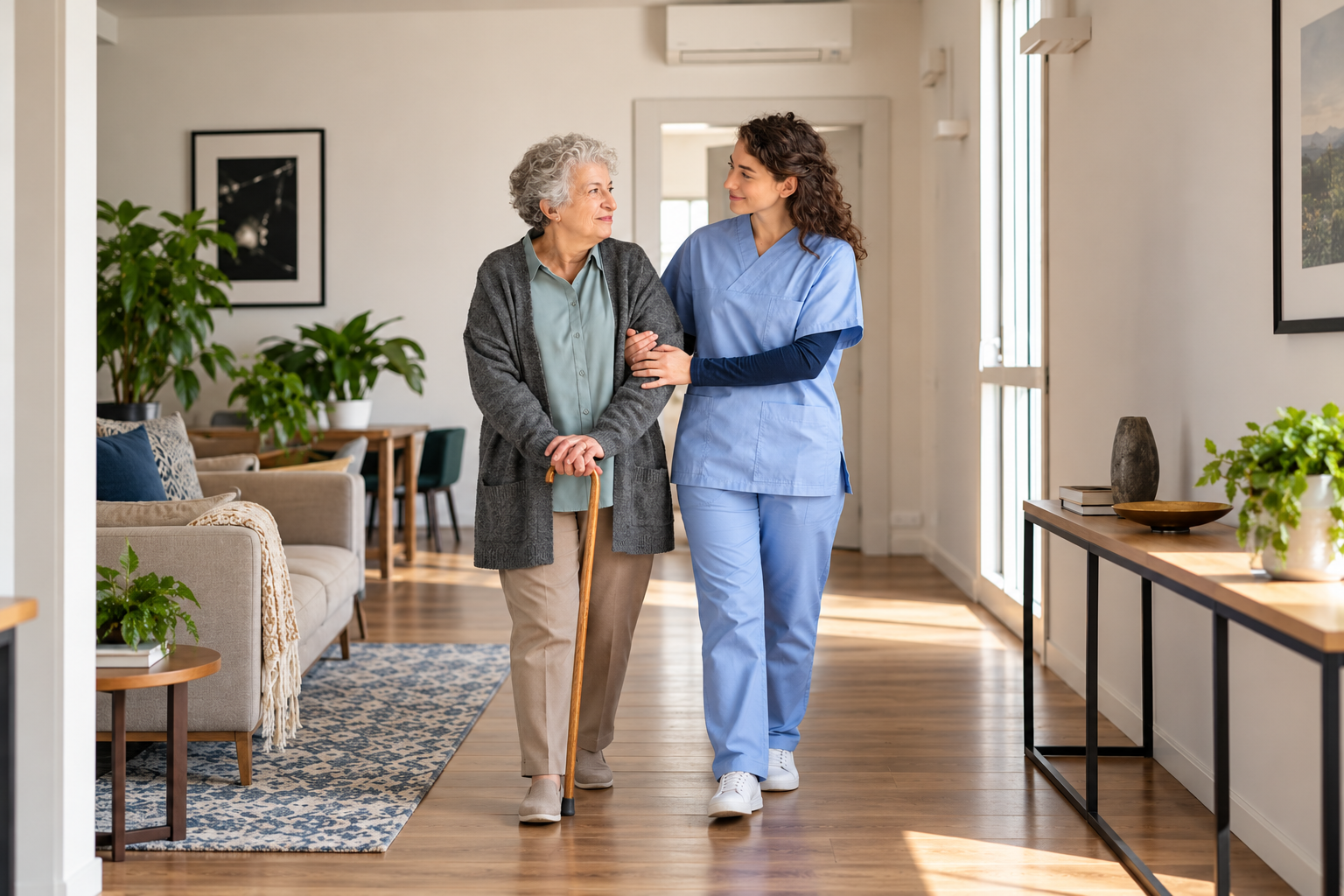
Woman in blue scrubs assists older person using a walker in a light-filled room.
By Brian Callahan 7 Day Home Care December 24, 2025
Need home care covered by MassMutual Long-Term Care Insurance? 7 Day Home Care is New York’s top provider, offering fast benefit activation and #1l in-home support.
dementia care
By Brian Callahan December 20, 2025
Late-stage dementia care at home in Manhattan. Professional caregivers help keep your loved one safe, comfortable, and cared for.
By Brian Callahan December 18, 2025
A stroke doesn’t just affect the body — it disrupts an entire life. For many families, the most frightening part doesn’t happen during the emergency itself, but after the hospital discharge, when doctors say, “You can take them home now.” That moment often brings more questions than relief. How will they walk again? Will their speech improve? What if they fall? What if something goes wrong at night? Stroke recovery is not a short-term event. It is a long, uneven process that requires patience, structure, and consistent care. While hospitals and rehabilitation centers handle the acute phase, the real recovery happens at home — where routines are rebuilt and independence is slowly regained. This is why professional post-stroke home care services have become essential for families trying to manage recovery safely and realistically. Across New York, families searching for home care in East Meadow , Home Health Care Service Oceanside , or a reliable Home Care Agency in Glen Cove NY often reach the same conclusion: recovery at home is possible, but not without the right support. Providers like 7 Day Home Care exist to bridge the gap between hospital treatment and long-term stability at home. Understanding Stroke and How It Changes Daily Life A stroke occurs when blood flow to part of the brain is interrupted, depriving brain cells of oxygen. Depending on which area of the brain is affected, the consequences can vary widely — but almost always involve some loss of function. Types of Stroke and Their Impact on Recovery Ischemic strokes , caused by blood clots, are the most common and often leave survivors with weakness or paralysis on one side of the body. Hemorrhagic strokes , caused by bleeding in the brain, may involve longer recovery times and greater cognitive challenges. Regardless of type, stroke recovery is rarely predictable. Progress may come slowly, and setbacks are common. Common Physical and Cognitive Effects After a Stroke Stroke survivors may experience: Limited mobility or paralysis Difficulty speaking, understanding, or swallowing Memory and concentration problems Emotional changes such as depression, anxiety, or irritability Loss of coordination and balance These changes affect everyday activities — from getting dressed to preparing meals — making independent living unsafe without assistance. Medical Complications Families Often Miss After a Stroke One of the most common misunderstandings families have after a stroke is believing that the most dangerous phase ends once the patient is discharged from the hospital. In reality, the post-discharge period is often medically more risky than the initial emergency. Blood pressure instability, dehydration, infections, and medication inconsistencies frequently develop quietly at home without obvious warning signs. Many stroke survivors are unable to clearly recognize or communicate subtle symptoms such as head pressure, unusual fatigue, mild confusion, or changes in vision. Families may assume these are “normal parts of recovery” and unintentionally delay intervention. This is where professional, medically informed observation becomes critical — not just for daily care, but for early detection of complications before they escalate into emergencies. What Stroke Recovery at Home Really Looks Like Many families expect recovery to be straightforward once their loved one is home. The reality is more complex. Home recovery requires constant adaptation , monitoring, and emotional support. The First Few Weeks After Hospital Discharge The early recovery period is often the most fragile. Stroke survivors are adjusting to new physical limitations while families are learning caregiving responsibilities for the first time. During this phase, the risks of falls, missed medications, dehydration, and emotional distress are highest. Professional post-stroke home care during this time provides structure, reassurance, and medical awareness — helping prevent avoidable complications that often lead to hospital readmission. Long-Term Recovery and Daily Adjustment Stroke recovery does not follow a straight line. Some abilities may return, while others require long-term support. At home, progress depends on consistency, encouragement, and safe routines — all of which are difficult to maintain without trained assistance. Daily Care Needs After a Stroke Post-stroke care is deeply personal. No two recovery journeys look the same, but most survivors require help in several key areas. Mobility and Physical Assistance Weakness, paralysis, or balance issues often make walking and transfers unsafe. Caregivers assist with: Moving safely from bed to chair Walking support and fall prevention Encouraging mobility without pushing beyond limits This balance between safety and independence is critical to recovery. Personal Care and Hygiene Support Simple tasks such as bathing or dressing can become overwhelming after a stroke. Assistance with hygiene helps maintain dignity while preventing infections and skin issues. Medication Management and Health Monitoring Stroke survivors are often prescribed medications to prevent another stroke and manage blood pressure or cholesterol. Home care ensures medications are taken correctly and that any concerning symptoms are reported promptly. Nutrition, Swallowing, and Hydration Swallowing difficulties are common and can be dangerous if unmanaged. Caregivers support safe eating practices, monitor hydration, and follow dietary guidelines recommended by healthcare providers. Emotional and Cognitive Support Stroke recovery is emotionally taxing. Survivors may feel frustrated, embarrassed, or discouraged. Compassionate companionship and reassurance help rebuild confidence and reduce isolation. Safety Concerns During Stroke Recovery at Home Safety is one of the biggest reasons families seek professional support. Fall Risk and Home Hazards Limited mobility and poor balance increase the risk of falls, especially in homes not designed for recovery. Emergency Awareness and Monitoring Stroke survivors may not recognize warning signs of another stroke or be able to call for help. Continuous monitoring reduces this risk. Preventing Hospital Readmission Many stroke-related hospital readmissions are preventable. With proper home care, small issues are addressed early before becoming emergencies. How Professional Post-Stroke Home Care Services Support Recovery Professional home care transforms recovery from guesswork into a structured process. Trained Caregivers Who Understand Stroke Recovery Caregivers are trained to assist safely, recognize warning signs, and provide emotional reassurance without limiting independence. Skilled Home Health Support Depending on needs, services may include nursing care, health monitoring, and coordination with physical or speech therapists. Personalized Recovery Plans Providers like 7 Day Home Care create flexible care plans that evolve as recovery progresses, ensuring support remains appropriate at every stage. Support for Families, Not Just Patients Home care also supports families by reducing stress, providing education, and offering peace of mind. Benefits of Recovering at Home After a Stroke For many survivors, home recovery offers advantages that facilities cannot. Familiar surroundings reduce stress One-on-one attention improves safety Emotional support from family boosts motivation Lower risk of infections compared to institutional settings Post-Stroke Home Care in Cedarhurst, East Meadow, Glen Cove, and Oceanside Families often first encounter stroke through emergency services or urgent care in Cedarhurst NY , but recovery extends far beyond urgent treatment. Those seeking home care in East Meadow , Home Care Agency in Glen Cove NY , or Home Health Care Service Oceanside benefit from providers who understand local healthcare systems and home environments. 7 Day Home Care serves families across these communities, offering consistent, compassionate post-stroke care tailored to both urban and suburban living situations. When Families Should Seek Professional Home Care Delaying care often leads to burnout or emergencies. Signs It’s Time for Help Frequent falls or near-falls Missed medications Increasing dependence Emotional exhaustion among family caregivers Seeking professional help is not a failure — it is a responsible decision that protects everyone involved. Frequently Asked Questions Q1.Can stroke recovery be managed at home? Yes, with professional support, many stroke survivors recover safely at home. Q2.How long does stroke recovery take? Recovery varies widely and may continue for months or years. Q3.Is home care better than rehab facilities? Home care offers personalized, one-on-one support in familiar surroundings. Q4.Does home care replace therapy? No. It supports therapy by ensuring exercises and routines are followed safely. Q5.When should families contact 7 Day Home Care? When safety, recovery progress, or caregiver well-being becomes a concern. Conclusion Stroke recovery is not just about healing the body — it’s about rebuilding daily life. With structured, compassionate post-stroke home care services, recovery at home becomes safer, more realistic, and less overwhelming for families. 7 Day Home Care provides trusted private pay and long-term care insurance–supported in-home care services across Manhattan , Long Island , NYC , Queens , and Brooklyn, New York , helping families access consistent, professional support tailored to post-stroke recovery needs. Families who would like guidance on post-stroke in-home care options can request a free consultation to discuss personalized care plans and understand the level of support available for their loved ones.
Show More